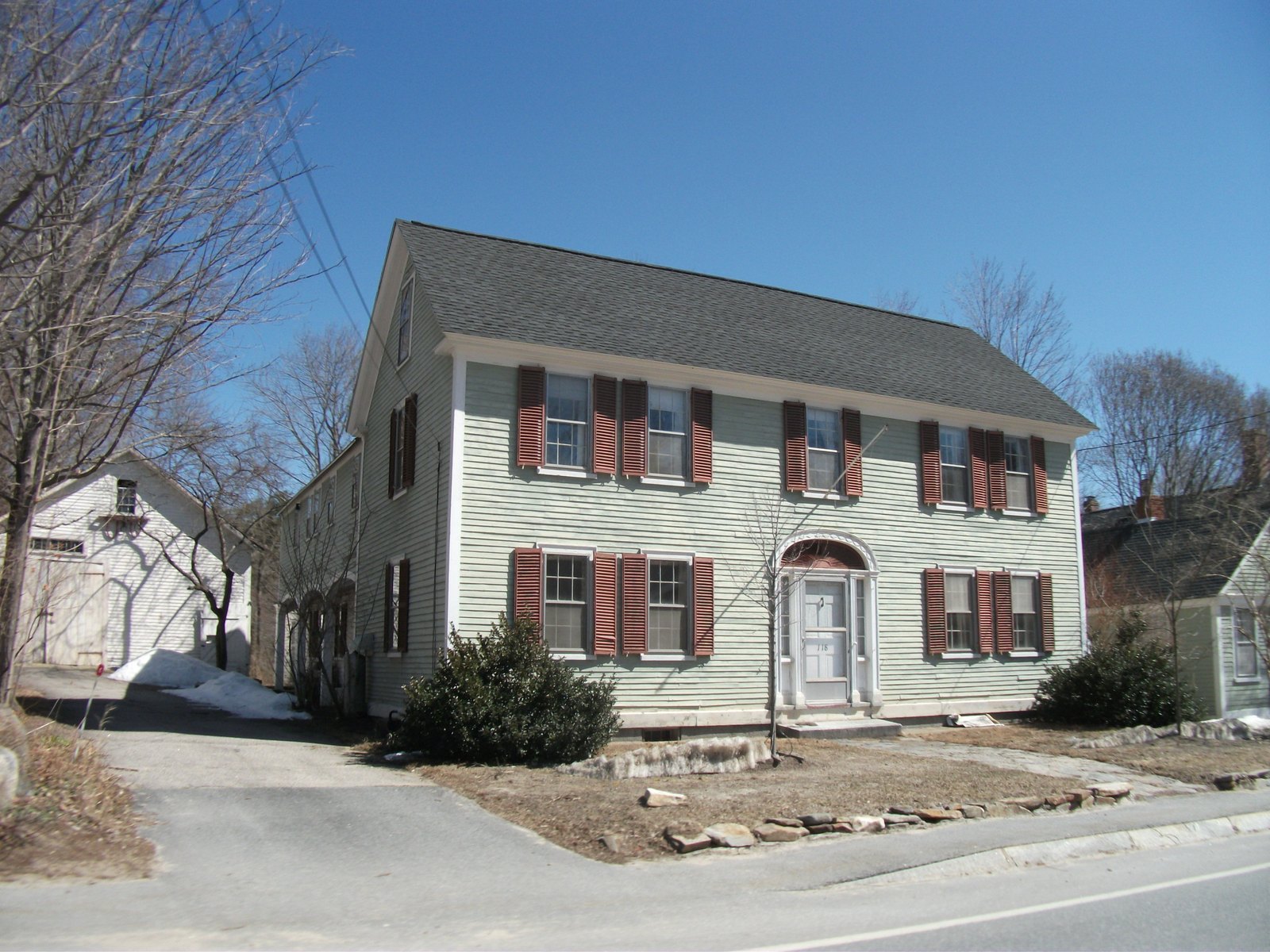
Statewide medians are a starting point, not a list price. In a market with more inventory than last fall, the comparable sales in your town do more of the work.
Pricing a house in southern New Hampshire is less about what you need to net and more about what a buyer can actually go out and buy instead of yours. That sounds obvious, and it is still the step that gets skipped when someone starts from a neighbor’s list price, an online estimate, or last spring’s headlines.
What the broader market is doing
The most recent full month of New Hampshire REALTORS data is October 2026, current as of November 5. Statewide, the median single-family sale was $543,223, up 1.5% from October 2025, according to the New Hampshire REALTORS monthly indicators for October 2026. Homes that sold spent 32 days on the market, the same as a year earlier, and brought 99.0% of list price. Inventory was 3,035 single-family homes, up 18.6%, and months of supply rose from 2.5 to 2.8.
Those statewide figures hide a lot of local range. In October, Hillsborough County’s median was $550,000, Rockingham’s was $675,000, Merrimack’s was $507,500, and Cheshire’s was $420,000. Bedford and Peterborough do not sit at the same price point, and neither do Nashua and Manchester, or Derry and Salem. Through October, Bedford’s year-to-date single-family median was $845,000, on 180 sales. Peterborough’s was $499,000, on 57 sales, according to the Bedford local market update and Peterborough local market update. A monthly median in a smaller town can swing hard on a handful of closings, so year-to-date figures, and the actual comparable sales, are more useful than any one month.
Inventory is not as tight as it was a year ago, but it also is not loose. A house that is priced with the recent sales, in the condition buyers can see in those sales, still has a path. A house that is priced for a market that no longer exists sits.
Start with the comparable sales
The useful comps are the closest recent sales — similar size, age, condition, lot and setting — not the highest list price on the street. Adjust for the things buyers will pay for or discount: a finished lower level, an older roof, municipal water and sewer versus a well and septic, a busy road, a recent kitchen. Online estimates do not make those adjustments well, and they do not know about the house that went under agreement before it hit the public market.
If you want a number you can defend, you want a comparative market analysis from someone who works this area, then a second look at the actual sold data yourself. I work with sellers across southern New Hampshire and northern Massachusetts, and this is the part of the job that has to be local.
List price and the first two weeks
In October, New Hampshire single-family homes as a group sold very close to list. That can tempt a seller to stretch the ask. It works against you when the list price is above what the comps support. Buyers shop in brackets, and the people who can pay your number may never see the listing if it is sitting in the next bracket up. With more homes on the market than last fall, they have somewhere else to go.
The first two weeks are when a new listing gets the most eyes. A price cut later can work, but it is not the same as arriving at the right number on day one. If showings are light and feedback keeps coming back to price, believe that.
Condition is part of the price
A well-priced house in average condition will often out-sell a prettier house that is a stretch. If you are going to paint, fix the obvious inspection items, or pump the septic before you list, do that work first and then price to the improved condition. Pricing as if the work is done, and then leaving it for the buyer, usually shows up in the offer. For the statutory notices and the well and septic work buyers will ask about, see seller disclosures, wells and septic.
Town-level context belongs in the pricing conversation too. Taxes, commuting and the housing stock are not the same in Nashua or Manchester as they are in Bedford, Milford or Peterborough, and Derry, Salem, Hillsborough and Jaffrey each have their own profile. The town guides have that background; the comps still have to come from the houses themselves.
Frequently asked questions
Use recent comparable sales in your town and similar nearby areas, adjusted for condition and features, not a statewide median or an online estimate.
In October 2026, single-family homes statewide sold for 99.0% of list price, according to New Hampshire REALTORS. That is an average, not a guarantee for any one house.
You can, but you may miss the buyers who never saw the listing at the higher number. With more inventory than a year ago, that is a more expensive mistake than it used to be.
Mix and sample size. A town with a handful of sales in a month, or a different mix of sizes and locations, will not track the statewide median. Look at the comps.